How to Find and Book Affordable Vacation Rentals in Remote Destinations Using Lesser-Known Platforms
Marcus Chen
06/30/2026
5 min read
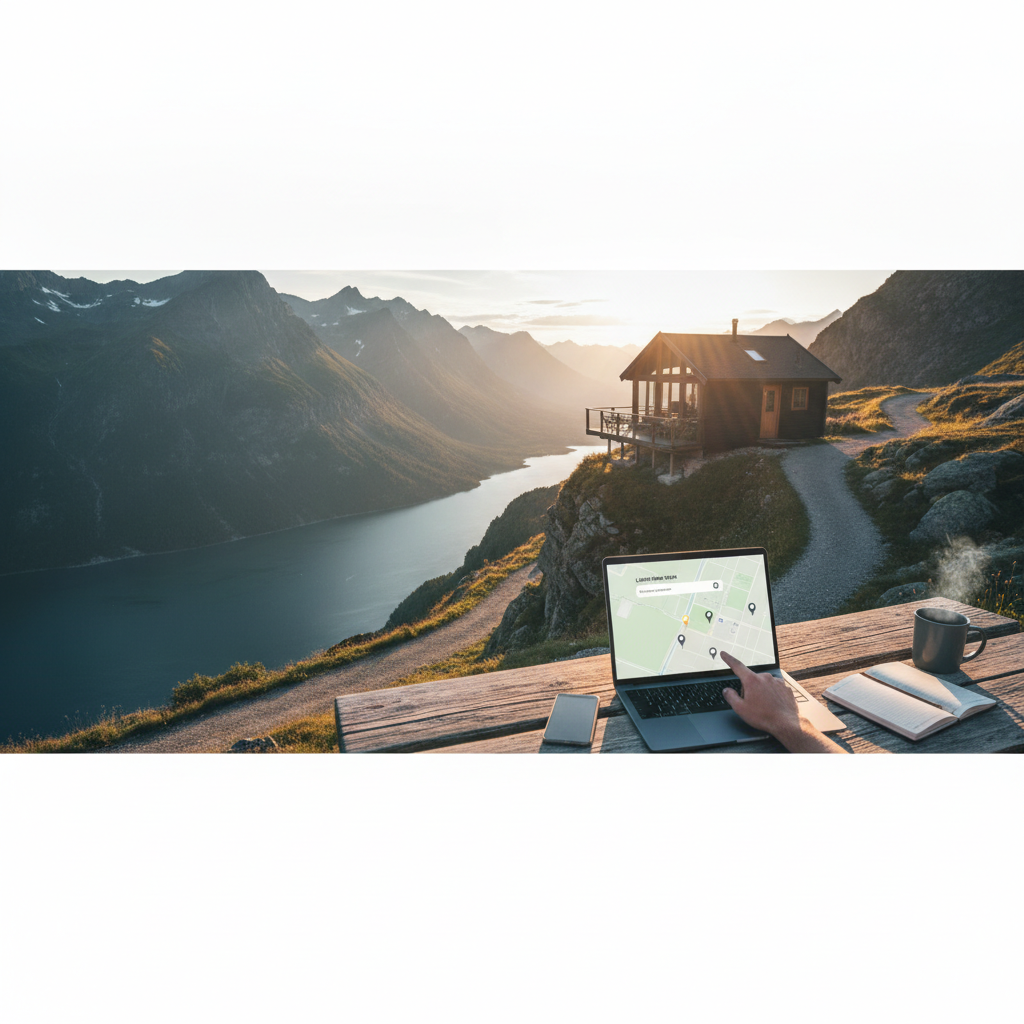
Finding a great place to stay in a remote destination can feel like a guessing game. You've probably noticed that the biggest booking platforms tend to surface the same handful of overpriced listings, leaving hidden gems buried or completely invisible. The good news is that the vacation rental market is much bigger than Airbnb and Vrbo, and knowing where to look — and how to book smartly — can save you a serious amount of money while actually improving the quality of your stay.
Skip the Big Platforms for Your First Search
Starting your search on Airbnb or Booking.com isn't wrong, but it's also not the most efficient move for remote destinations. These platforms charge hosts significant service fees, which get passed directly to you. Smaller, niche platforms like Hipcamp, Vacasa, or Plum Guide often list properties in off-the-beaten-path areas with lower markups. It's worth spending your first thirty minutes on platforms you haven't used before — the pricing differences for comparable properties can be surprisingly large, especially in rural or wilderness areas.
Search by Region, Not Just by City
Most travelers type in a town name and scroll through results. That approach works fine for cities, but remote destinations are better searched by region or landmark. Try searching near a national park, a coastal stretch, or a mountain range rather than anchoring to a specific address. This opens up a much wider inventory, including properties that aren't technically within any named town. In places like rural Tuscany or the Ozark highlands, the most interesting rentals often sit several miles outside any recognized center — and they go unnoticed because searchers aren't casting a wide enough net.
Use Direct Booking Sites to Cut Out Middlemen
A lot of property owners maintain their own websites alongside their platform listings. Once you find a rental you like on a third-party site, run a quick search for the property name or host name to see if they take direct bookings. Direct booking typically means lower rates for you and more income for the host — it's a straightforward win on both sides. Some hosts are upfront about this in their platform bio. Others list a contact email or personal website in their photos or descriptions if you look carefully.
Check Housesitting Platforms for Free or Low-Cost Stays
Housesitting is an underused strategy for remote destinations specifically. Platforms like TrustedHousesitters connect homeowners who need someone to watch their property — and often their pets — with travelers willing to stay for free in exchange for basic caretaking. Remote properties are especially common on these platforms because owners need reliable coverage when they're away. The membership fee for these sites is modest, and a single trip can more than offset the annual cost. It's a genuine alternative to paying nightly rates, particularly for longer stays.
Time Your Search Around Platform Promotions
Smaller vacation rental platforms run promotions far more aggressively than the household names do. Hipcamp, for instance, periodically offers discounted rates on certain property types or regions, especially during shoulder seasons. Signing up for email lists from two or three lesser-known platforms takes five minutes and puts those deals directly in your inbox. Booking during shoulder season — the weeks just before or after peak travel windows — also stacks with platform discounts. A coastal property in northern Portugal or a cabin near Asheville, North Carolina can drop noticeably in price simply by shifting your dates a few weeks.
Read Host Profiles as Carefully as Property Descriptions
The host behind a listing often tells you more about a stay than the photos do. Experienced hosts at remote properties typically include detailed notes about road conditions, internet reliability, nearest grocery stores, and local quirks that standard listing descriptions skip over. This matters more in remote destinations because the stakes of an unpleasant surprise are higher — you can't easily pivot to another option when you're forty minutes from the nearest town. Hosts who communicate thoroughly before booking are usually the ones who deliver a smooth experience once you arrive.
Use Currency and Tax Differences to Your Advantage
Remote destinations in countries with weaker currencies relative to the US dollar or euro can offer genuine value that raw listing prices don't fully communicate. A property that appears moderately priced in a listing converts to something quite affordable once you factor in the exchange rate and lower local taxes. Eastern Europe, parts of Southeast Asia, and certain Latin American countries consistently offer this dynamic. Running a quick currency conversion before dismissing a listing as out of range is a small habit that can open up a wider set of options than you'd expect.
Reach Out Before Booking to Negotiate or Unlock Discounts
Direct communication before booking is common and accepted on most rental platforms. Many hosts offer discounts for longer stays, off-peak bookings, or repeat guests — but these aren't always listed publicly. A short, polite message asking whether there's any flexibility on the rate for your specific dates is usually well-received. Hosts at remote properties often prefer guests who seem organized and communicative, so your outreach itself builds goodwill. You won't always get a discount, but when you do, it tends to be meaningful — especially on week-long or multi-week bookings.
Verify Accessibility Before You Commit
Remote sounds romantic until you're driving a rental car down an unpaved road in the dark wondering if you've made a mistake. Always confirm road conditions, seasonal access, and any vehicle requirements directly with the host before finalizing a booking. Some properties in places like rural Iceland or Appalachian mountain communities require four-wheel drive or are inaccessible during certain months. A few clarifying questions upfront protect your trip and your budget — cancellation fees on short notice can sting, and booking somewhere genuinely inaccessible isn't a situation you want to troubleshoot from afar.
Remote travel rewards the people who plan with a little more intention than the average booking session requires. The platforms, the timing, and the direct conversations with hosts all combine to give you access to places most travelers never find — often at prices that make the experience feel almost too good. Start with one unfamiliar platform this week, and see what turns up.
More Trending Articles
How Supermarket Deli Counter Pricing Compares to Pre-Packaged Equivalents and Which Categories Consistently Offer Better Value When You Buy by Weight
Jennifer Walsh
10/27/2026