What First-Time Visitors to the Balkans Consistently Get Wrong About Regional Bus and Rail Connections
Marcus Chen
07/25/2026
4 min read
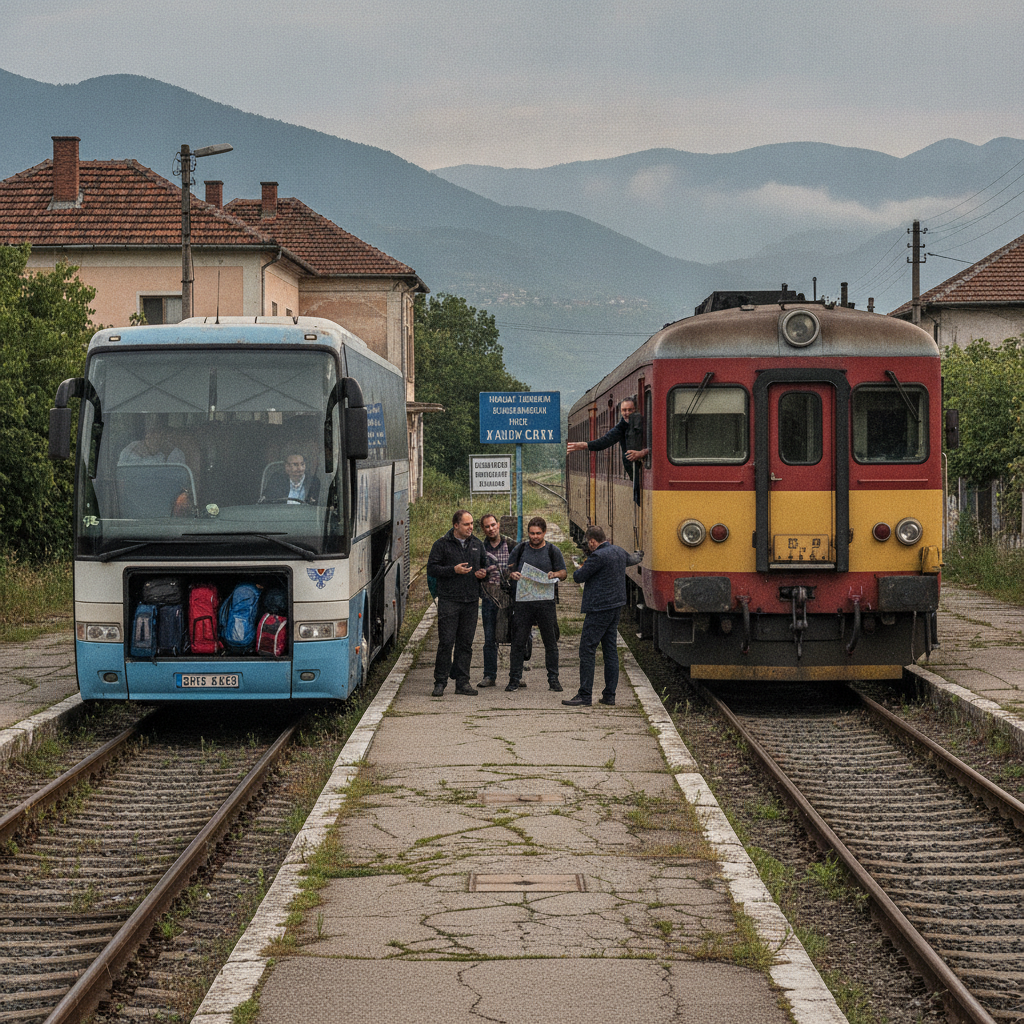
The Balkans reward patience and planning in equal measure, and nowhere is that truer than when it comes to getting between countries by land. First-time visitors often arrive with assumptions shaped by Western European travel — expectations of punctual intercity trains, unified booking platforms, and seamless border crossings. The reality across Serbia, North Macedonia, Bosnia and Herzegovina, and their neighbors is richer, more complicated, and ultimately more interesting. Understanding how transport actually works here changes not just the logistics of a trip, but the entire experience of moving through the region.
The Gap Between Rail Maps and Rail Reality
Glancing at a map of Balkan rail lines, the network looks reasonably well-connected. In practice, many of those routes run infrequently — sometimes once daily, sometimes less. The passenger rail infrastructure across much of the region hasn't seen significant modernization since the mid-twentieth century, and cross-border train services are especially limited. A journey between Sarajevo and Dubrovnik that looks straightforward on paper involves no functional direct rail link at all. Visitors expecting European-style rail frequency are often caught off guard when they discover a train runs only at inconvenient hours or requires a connection through a third city.
Why Buses Are the Backbone of Balkan Travel
Across the region, intercity and international bus services handle the majority of passenger movement between countries. Private operators like Flixbus cover some corridors, but the bulk of regional travel relies on locally run coach companies that don't always appear on international booking platforms. Bus stations in cities like Skopje, Tirana, and Belgrade serve dozens of daily departures to neighboring countries, often at very competitive prices. Schedules are typically posted at the station itself rather than online, and booking in advance is usually done in person or through operators with basic web presences. This informality isn't disorganization — it's simply a different system.
Border Crossings Add Time That Schedules Don't Reflect
One of the most common planning errors involves underestimating how much time border crossings add to overland journeys. Crossing between Serbia and Kosovo, or between Bosnia and Croatia, involves passport checks, occasional luggage inspections, and queues that vary dramatically depending on the day, time, and season. A bus scheduled to take four hours can easily take six or more. Planning tight onward connections immediately after a land border crossing is a reliable way to miss them. Experienced regional travelers build in buffer time and avoid scheduling important arrivals — flights, ferries, or pre-paid accommodation check-ins — on the same day as a cross-border bus journey.
The Booking Platforms That Actually Work Here
Virtually none of the major Western booking platforms cover Balkan bus routes comprehensively. Travelers who rely exclusively on Omio, Rome2Rio, or similar aggregators will find incomplete information or listings that direct them to operators with outdated schedules. The platforms that tend to work better are regionally focused: Balkanviator covers several countries' intercity routes, and GetByBus has reasonable coverage for Croatian and Slovenian connections. For Serbia specifically, the national carrier BAS operates a usable online booking interface. Even so, cross-referencing with the actual bus station or a local travel agency remains a genuinely useful step, particularly for routes that cross multiple borders.
Timing, Seasonality, and the Night Bus Advantage
Seasonal variation affects Balkan transport more than many visitors expect. Summer routes between coastal and inland cities often run multiple times daily, while the same route in November might operate only three times per week. The Adriatic coast, particularly the stretch between Split and Dubrovnik, sees dramatic schedule changes between peak and off-peak months. Night buses are a practical and underused option — overnight coaches between Belgrade and Sarajevo or between Skopje and Thessaloniki allow travelers to cover long distances while sleeping, saving on accommodation costs. These services tend to run more consistently year-round than some daytime options and are worth building into any multi-country itinerary.
Planning Your Balkan Land Journey Effectively
When you're putting together an overland itinerary through the region, treat every source of information as provisional until confirmed through at least two channels. Check schedules directly with bus stations where possible, and give yourself more transition time than you think you need at border crossings. Download offline maps through an app like Maps.me before you lose connectivity in mountain corridors, and carry local currency — Serbian dinar, Bosnian convertible mark, or Albanian lek — because not every ticket window accepts cards. Keep your onward schedule flexible on cross-border days, and use overnight coaches strategically to compress your timeline without sacrificing rest. The Balkans move at their own pace, and travelers who match that rhythm tend to have a considerably better time.
Getting around the Balkans overland is entirely manageable, and for many travelers it becomes one of the most memorable parts of the trip. The key is letting go of expectations built in other regions and approaching the system on its own terms. With a little preparation and genuine flexibility, the buses and trains of southeastern Europe open up a part of the world that rewards exactly that kind of effort.
More Trending Articles
How Supermarket Deli Counter Pricing Compares to Pre-Packaged Equivalents and Which Categories Consistently Offer Better Value When You Buy by Weight
Jennifer Walsh
10/27/2026