How to Use Border Town Stays in Western Europe to Access Two Countries' Attractions at a Single Accommodation Cost
Robert Kim
07/28/2026
5 min read
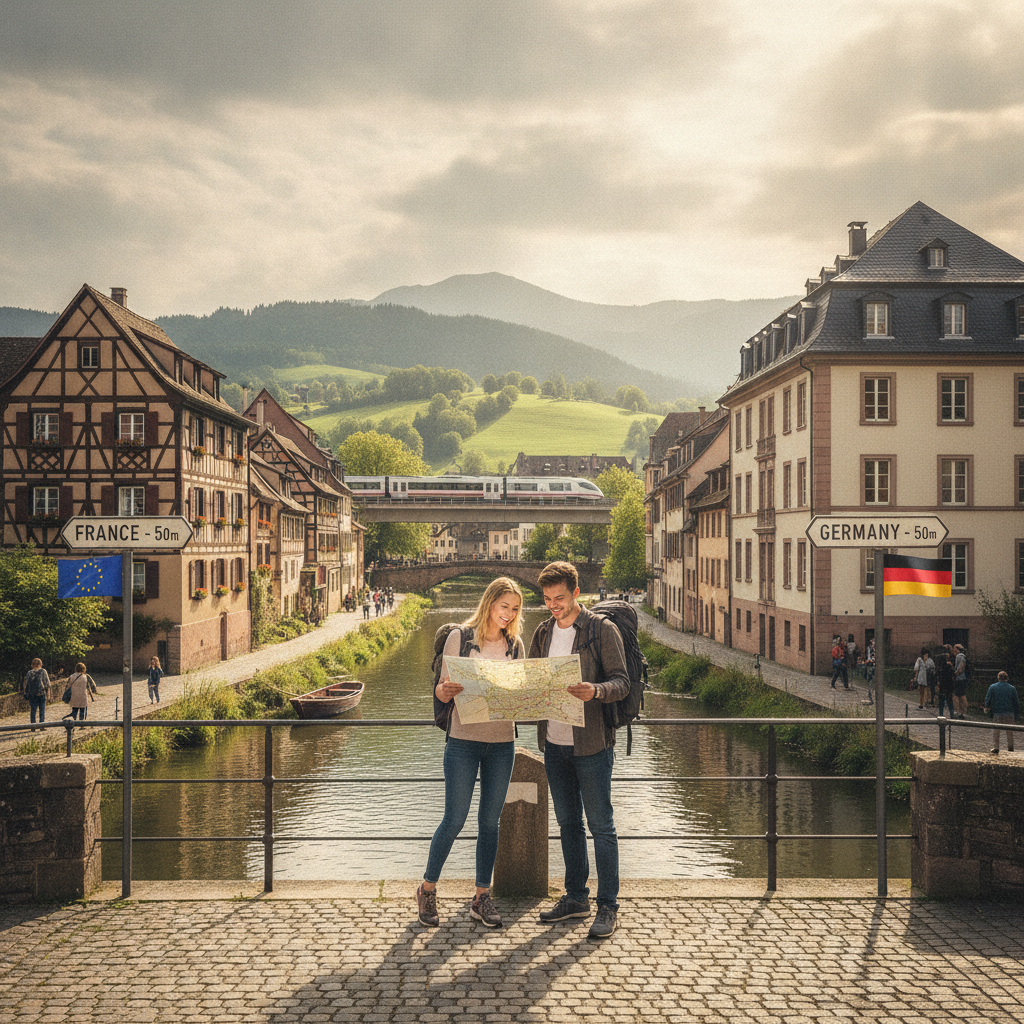
Paying for one hotel room and waking up with two countries worth of attractions on your doorstep is one of travel's genuinely underused advantages. Western Europe's patchwork of closely spaced nations means that in certain towns, crossing a national border is as casual as crossing a street. If you've been booking accommodations in city centers and paying capital-city prices, the border town strategy might completely reshape how you plan your next European trip.
Choose Your Border Pairing Based on What You Actually Want to See
Not every border crossing delivers the same value, so start by thinking about the specific experiences you're chasing. The town of Baarle-Nassau sits across the Dutch-Belgian border in one of Europe's most unusual territorial arrangements, where the border runs literally through buildings and cafés. Strasbourg, France puts you within easy reach of Freiburg and the Black Forest region of Germany. Basel, Switzerland is a spectacular hub — sitting where France, Germany, and Switzerland converge. Pick a pairing where both sides offer something genuinely different, not just a different flag.
Book Accommodations on the Less Expensive Side of the Border
Once you've chosen your pairing, accommodation pricing tends to vary noticeably between neighboring countries — and that gap is your opportunity. Switzerland, for instance, carries a significantly higher cost of living than either France or Germany, so staying in Mulhouse (France) or Lörrach (Germany) while day-tripping into Basel makes a real budget difference. The same logic applies across the Pyrenees, where small Spanish towns near the French border often offer lower hotel rates while keeping you within an easy drive or train ride of French Basque Country towns like Biarritz.
Use Regional Train Passes to Make Cross-Border Day Trips Effortless
The infrastructure for moving between Western European countries is exceptionally good, especially by rail. Interrail passes with regional validity, or point-to-point tickets on short cross-border routes, make the daily commute between two countries feel completely manageable. The Europass regional options cover corridors like Germany-France-Switzerland at a lower cost than full continental passes. Apps like Rail Europe and Trainline let you book these shorter cross-border segments easily. Once you're set up logistically, a full day in a different country doesn't require any more planning than a day trip back home.
Treat Both Countries' Free Attractions as Part of Your Itinerary
Border towns often sit near provincial areas with lower admission costs, more open green space, and a higher concentration of free cultural sites than major capitals. Northern Portugal near the Spanish border has historic fortified towns — Valença and Tui face each other across the Minho River — where you can walk centuries-old battlements without paying entrance fees. Germany's Black Forest hiking trails are entirely free to access from the French side of Alsace. Building free and low-cost attractions into your cross-border days keeps the overall trip budget much lower than if you were anchoring yourself to expensive tourist centers.
Plan Grocery and Restaurant Runs Around Which Country Has Lower Prices
Food costs can shift dramatically within a short distance, and staying in a border zone gives you the flexibility to eat and shop strategically. Travelers staying near the Swiss border often do their daily grocery runs in Germany or France, where prices on basics are considerably lower. The reverse works near the Luxembourg borders with Belgium and France, where fuel and certain goods are cheaper inside Luxembourg. Eating a full lunch on the lower-cost side while reserving a single dinner for the higher-cost but more atmospheric side lets you experience both without blowing your daily food budget.
Combine Different VAT Refund Opportunities Across Two Countries
Shopping across two countries during a single trip can also optimize your Value Added Tax (VAT) refund position, depending on your home country and purchase amounts. EU VAT refund thresholds vary by country — France, Germany, and Spain each set their own minimum purchase amounts before you can claim a refund as a non-EU visitor. By understanding the refund rules on both sides of the border before you shop, you can time larger purchases to the country with the more favorable threshold or refund rate. Apps like Global Blue can track eligible purchases across multiple countries in one interface.
Use the Border Zone to Build in Rest Days Without Feeling Stranded
One of the underrated benefits of border town stays is the low-pressure nature of the environment. You're not in a city that demands constant sightseeing energy, and the towns themselves tend to move at a slower pace. A rest day in Hendaye on the Franco-Spanish coast or in Ventimiglia near the Italian-French border doesn't feel like wasted travel time — both towns have their own character, beaches, markets, and restaurants worth exploring without crossing anywhere. The built-in flexibility means you can adjust your plans based on weather or energy levels without feeling like you're missing out.
Time Your Stay Around Regional Events That Overlap the Border
Some of Western Europe's most atmospheric regional festivals and events don't respect national borders — they reflect cultural identities that predate modern boundaries. The Basque Country celebrations in early September draw visitors on both the French and Spanish sides. Alsatian wine festivals in October stretch through towns on both banks of the Rhine corridor. Checking regional event calendars for both countries during your travel window can result in stumbling into a local celebration that would never appear on a major city's tourist agenda, at a fraction of the cost.
The appeal of border town travel is only growing as rail connections improve and more travelers look for ways to see multiple countries without multiplying their accommodation bills. Towns like Maastricht in the Netherlands — within easy reach of Belgium and Germany — are increasingly recognized as smart bases rather than overlooked stopovers. As remote-work travel continues to extend trip lengths, these dual-access locations offer a compelling mix of practicality and genuine discovery. The travelers who find them first tend to return to the same strategy again and again.
More Trending Articles
How Supermarket Deli Counter Pricing Compares to Pre-Packaged Equivalents and Which Categories Consistently Offer Better Value When You Buy by Weight
Jennifer Walsh
10/27/2026