How End-of-Financial-Year Sales Events at Travel Gear Retailers Follow Internal Inventory Pressures and Which Product Categories See the Steepest Reductions
Robert Kim
10/09/2026
4 min read
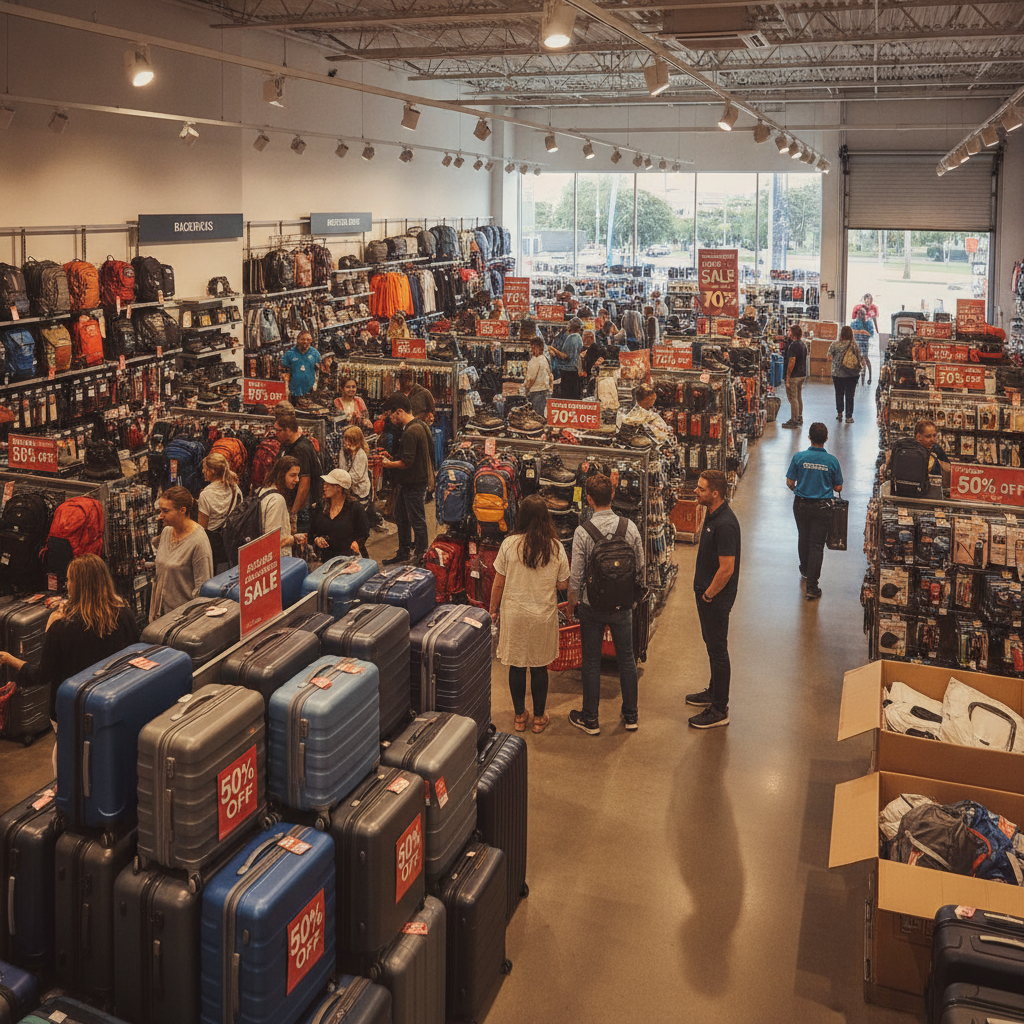
Retail pricing is rarely random — and nowhere is that more visible than in the weeks surrounding a retailer's end-of-financial-year close, when internal inventory targets quietly reshape what lands on the clearance rack.
Why Financial Year-End Creates Real Pressure for Retailers
Most major travel gear retailers operate on fiscal calendars that close between late May and early July, though some follow a December year-end aligned with the calendar. When those closing dates approach, warehouse space becomes a financial liability. Carrying excess inventory into a new fiscal year affects balance sheet reporting, insurance valuations, and stock turnover ratios. The result is a predictable pressure to move product — and that pressure gets passed directly to the consumer in the form of markdowns that are often more substantial than anything seen during a standard promotional weekend.
The Internal Mechanics Behind the Markdown Calendar
Six to eight weeks before a fiscal year closes, buying teams at retailers like REI, Kathmandu, and Decathlon begin reviewing their sell-through rates — the percentage of a product line that has sold versus what was originally ordered. Any line sitting below target triggers automatic markdown authorization at the store and distribution level. These aren't marketing decisions; they're operational ones. The timing is driven by logistics, not by a desire to reward shoppers, which is precisely why these windows can offer better value than campaigns the retailer actively promotes.
Which Product Categories See the Deepest Cuts
Not all gear categories are treated equally when inventory pressure builds. The steepest reductions tend to appear in categories with high unit volume, significant storage footprint, and seasonal relevance that's about to expire.
Luggage and Hard-Case Travel Bags
Large-format luggage takes up significant warehouse space and has no meaningful off-season demand spike to justify holding. Retailers carrying carry-on sets, checked-bag systems, and hardshell cases from brands like Samsonite and Osprey frequently authorize markdowns in the 30 to 45 percent range during fiscal close. The combination of physical size and relatively stable demand makes luggage one of the most reliably discounted categories in any end-of-year event.
Outdoor and Multi-Day Hiking Packs
Travel-ready backpacks, especially those in the 40 to 70 litre range, tend to move heavily in spring and early summer. When fiscal year-end overlaps with post-peak-season inventory, retailers who overestimated spring demand are left with surplus stock. These packs are expensive to warehouse and difficult to sell at full price once the summer travel window closes, which often makes them a priority clearance item with legitimate reductions rather than inflated anchor pricing.
Portable Tech and Travel Accessories
Power banks, compression packing cubes, lightweight travel adapters, and noise management accessories occupy a category that turns over quickly but also accumulates overstock when buying teams misjudge seasonal demand. Accessories in this space rarely see the dramatic 40-plus percent cuts that luggage does, but consistent reductions in the 20 to 30 percent range appear reliably. Apps like Honey and browser extensions such as Rakuten's cashback tool can stack additional value on top of already-reduced accessory prices during these windows.
Footwear Designed for Travel
Travel-specific footwear — packable sandals, lightweight hiking shoes, and slip-resistant walking shoes — often peaks in demand several weeks before fiscal close. Any stock that hasn't cleared by the time the books are being reviewed gets marked down aggressively. Brands like Merrell and Keen are frequently represented in these clearance events, and because footwear size distribution becomes uneven as popular sizes sell out early, shoppers with less common sizes sometimes find the deepest cuts precisely because demand for their size never materialized.
How to Position Yourself Before the Event Is Announced
The most useful window for price-alert setup is six to eight weeks before a retailer's known fiscal close. Tools like Google Shopping's price tracking feature allow you to monitor specific product pages and receive notifications when prices move. Setting alerts before a markdown event begins — rather than after it's announced — means you capture the first-day pricing before popular sizes and configurations sell through. Pairing those alerts with a cashback portal like TopCashback adds a second layer of return on purchases made during events that already carry meaningful discounts.
Reading the Sale for What It Actually Is
End-of-financial-year events are often marketed with language that emphasizes generosity — "our biggest sale of the year" or "limited time savings." That framing isn't inaccurate, but it obscures the operational reality: the retailer needs to move product, and the savings reflect that need rather than a deliberate gift to loyal customers. Understanding the mechanics behind the discount doesn't diminish its value. If anything, it makes you a more confident buyer, because you can recognize when a markdown reflects genuine inventory pressure versus a shallow promotional discount dressed up with urgent-sounding language.
As fiscal calendars become less uniform — with more retailers adopting rolling year-ends and real-time inventory management tools — the precise timing of these events may shift. But the underlying pressure to clear stock before books close isn't going away. Shoppers who track retailer fiscal calendars and set price alerts in advance will continue to find themselves ahead of the crowd when the markdowns begin.
More Trending Articles
How Supermarket Deli Counter Pricing Compares to Pre-Packaged Equivalents and Which Categories Consistently Offer Better Value When You Buy by Weight
Jennifer Walsh
10/27/2026