Why End-of-Season Outdoor Gear Sales Follow a Predictable Calendar and How to Shop Them Without Missing the Best Sizes
Jennifer Walsh
07/17/2026
5 min read
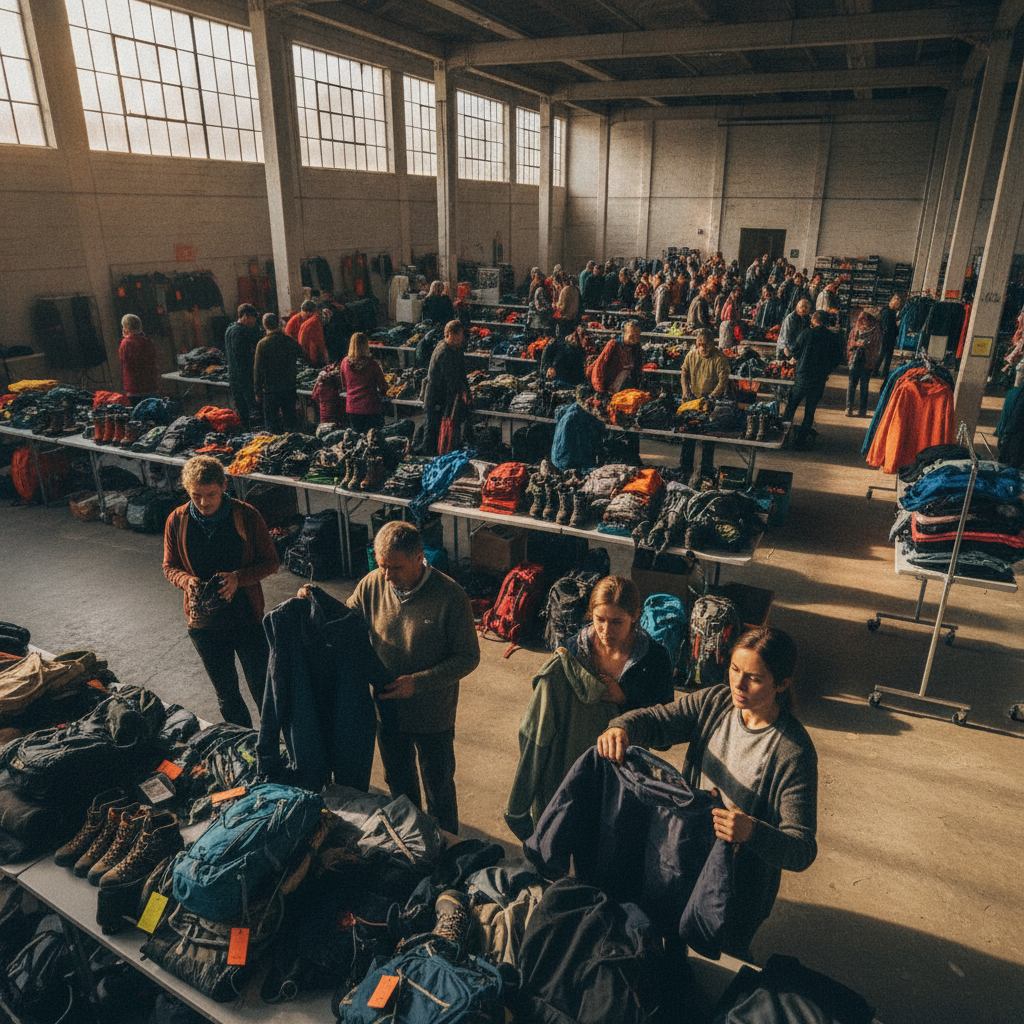
Outdoor gear retailers run on a rhythm that most shoppers never bother to learn — and that rhythm is worth understanding. The clearance cycles for hiking boots, tents, ski jackets, and trail running shoes aren't random. They're tied to inventory logistics, seasonal wholesale ordering, and the simple fact that stores need shelf space for incoming stock. Once you understand the pattern, you stop chasing sales and start anticipating them.
Understand Why the Clearance Calendar Exists
Retailers order outdoor gear months before the season begins, which means by the time the season actually peaks, they're already thinking about the next one. A ski shop places its spring order in late summer, so once February rolls around, leftover winter stock becomes a storage problem rather than an asset. That pressure creates predictable clearance windows — not as a favor to shoppers, but as a logistical necessity. Knowing this means you can position yourself at exactly the right moment.
The Two Major Clearance Moments
There are two windows that matter most. The first runs from late January through early March, when winter gear — insulated jackets, ski pants, base layers, and cold-weather boots — gets marked down aggressively. The second window opens in late July and runs through early September, covering summer and warm-weather gear like trail shoes, lightweight tents, hydration packs, and technical shorts. These aren't soft discounts. End-of-season markdowns can reach deep into the clearance range, especially for items that didn't move quickly during peak season.
Set Up Alerts Before the Season Ends
Waiting until you see a sale banner is already too late for popular sizes. The best approach is to start tracking prices about six to eight weeks before the expected clearance window opens. Apps like Honey and Camelizer are useful here — you can set target prices on specific items at retailers like REI or Backcountry, and you'll get notified the moment a price drops. This removes the need to check manually and keeps you from impulse-buying full-price gear just because it's top of mind.
Why Early Alerts Beat Last-Minute Scrolling
When a sale goes live on a Tuesday morning, the most common sizes — typically men's medium and large, women's small and medium — sell out within hours. Shoppers who've been watching a product for weeks move instantly because they've already done their research, confirmed sizing, and read the reviews. You want to be that shopper. Setting alerts transforms you from someone who discovers the sale late to someone who acts on it the moment it begins.
Know Which Categories Hold Their Sizes Longest
Not all gear categories deplete at the same speed. Hardshell jackets and insulated layers in popular sizes go fast. But technical accessories — trekking poles, gaiters, camp cookware, and hydration gear — tend to stay in stock well into the clearance period because fewer people are actively hunting them. If you need a main piece like a quality pack or a shell jacket, move quickly when the sale opens. If you're filling out your kit with accessories, you have a bit more time and can be selective.
The REI Garage Sale Exception
REI's twice-yearly Garage Sale events — typically held in spring and fall — add a slightly different dynamic. These events move used, returned, and lightly damaged gear at steep discounts, and they operate on a first-come, first-served basis in-store. Sizing is unpredictable, but the value can be exceptional. If you live near an REI location, it's worth marking the dates and arriving early. What you find there may not be what you planned to buy, but experienced gear shoppers know to stay flexible.
Build a Wish List and Stick to It
End-of-season sales can feel like a permission slip to buy things you didn't need. The discount psychology is real — a deeply reduced price on a four-season tent sounds compelling even if you camp twice a year. Before any major sale window opens, build a specific list of what you actually need for upcoming travel or outdoor plans. Apps like Trello or even a simple notes app work fine for this. Having a list means you evaluate each item on its merits rather than its markdown.
Match Gear to Actual Upcoming Trips
The most practical framing is this: buy for the next twelve months of actual outdoor activity, not hypothetical adventures. If you have a summer hiking trip booked in the Pacific Northwest, that's a real use case for waterproof trail shoes. If ski season is nine months away and you're not sure you'll go, a ski jacket at sixty percent off is still money spent on something uncertain. Gear tied to concrete plans justifies the purchase. Gear bought on optimism tends to pile up in closets.
Track Size Availability Across Multiple Retailers
When a popular size sells out at one retailer, it often remains available at another. Backcountry, Moosejaw, and REI don't always sync their inventory or their sale timing, which creates an opportunity for size-aware shoppers to cross-check. If your size disappears from one platform, check the others before assuming it's gone entirely. Browser tabs work fine for this, but a quick search across two or three platforms takes less than five minutes and can save you from settling for a less-ideal alternative.
The outdoor gear retail market continues to shift, with more brands experimenting with direct-to-consumer clearance events that bypass traditional retail channels entirely. Subscription-style outdoor gear apps are also starting to offer members early access to end-of-season discounts — a model worth watching as it matures. For now, the calendar-based clearance system remains the most reliable framework for timing your purchases. Start building your wish list before the next window opens, and you'll be ready to move when the prices do.
More Trending Articles
How Supermarket Deli Counter Pricing Compares to Pre-Packaged Equivalents and Which Categories Consistently Offer Better Value When You Buy by Weight
Jennifer Walsh
10/27/2026