How to Use Duty-Free Allowance Rules Strategically to Bring Back More Value From International Trips
Sarah Mitchell
06/30/2026
4 min read
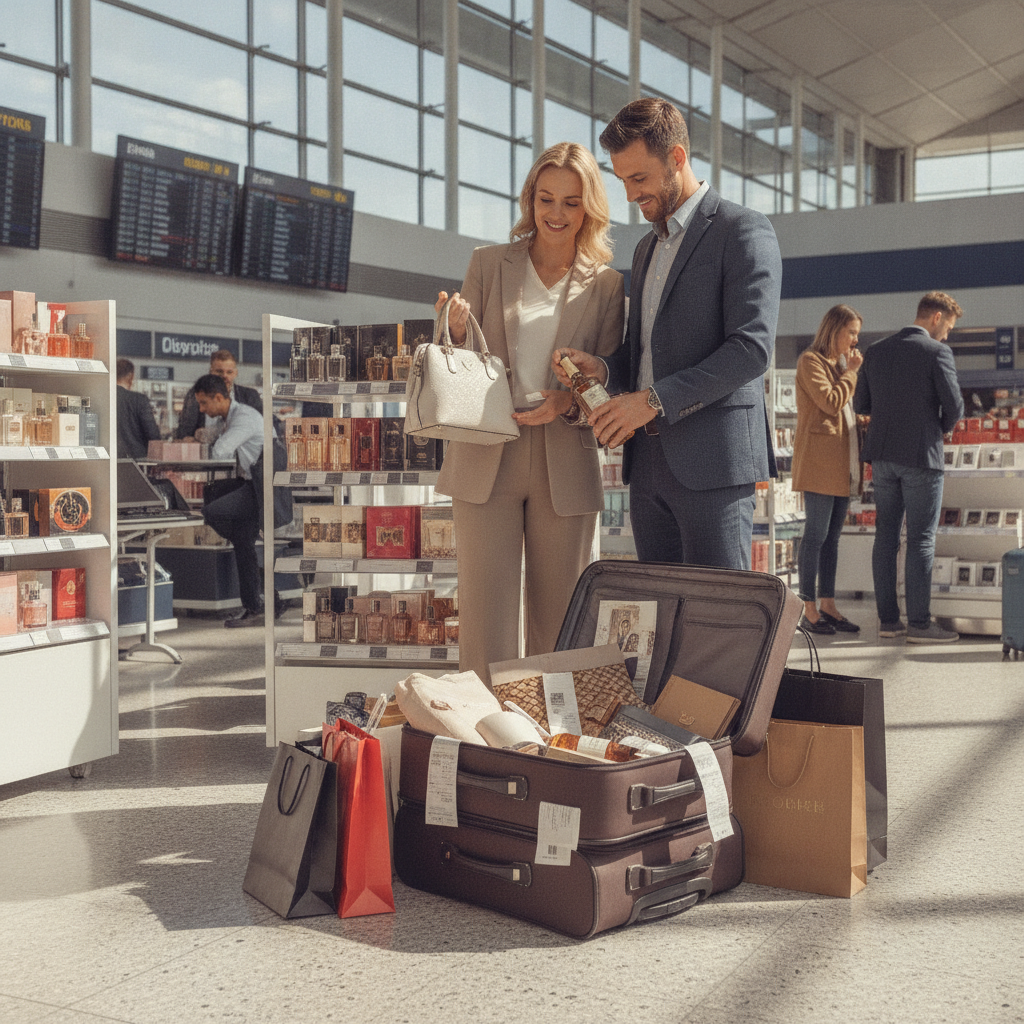
Most travelers think duty-free shopping is just a last-minute scramble for perfume and whiskey before boarding. In reality, understanding how duty-free allowances work — and planning around them — can meaningfully stretch the value of every international trip you take. The rules aren't complicated, but they do reward a little preparation.
Know Your Country's Allowance Before You Leave
Duty-free allowances vary significantly depending on where you're returning to and where you've been. If you're returning to the United States, U.S. Customs and Border Protection sets a standard exemption of $800 per person for goods purchased abroad. Canada, the UK, and Australia each have their own thresholds and category-specific limits. Knowing your exact ceiling before you leave home means you can shop with confidence rather than guessing at the register — or worse, getting surprised at customs with a bill you didn't budget for.
Split Purchases Strategically Across Travel Companions
Each traveler in your group has their own individual allowance, which means a family of four has a combined purchasing power that's four times higher than a solo traveler. If you're buying a high-value item like a premium bottle of Scotch from a Scottish distillery or a designer bag in Paris, consider whether splitting the declared value across two people's allowances makes sense. This is completely legal when the goods are genuinely purchased for each person. The key is honest declaration — customs agents are experienced, and over-explaining raises more flags than simply being straightforward.
Understand Which Categories Have Separate Limits
Alcohol and tobacco typically sit outside the general dollar exemption and follow their own quantity-based rules. For U.S. residents, you're generally allowed one liter of alcohol duty-free, though some states have stricter local rules that apply once you cross state lines. Tobacco limits are similarly specific. If you're a wine enthusiast picking up bottles from a vineyard in Mendoza or a cigar buyer browsing shops in Havana's Parque Central area, research the exact caps in advance. Buying one liter of a well-chosen single malt is far smarter than buying two liters and paying unexpected duties on the second.
Time Your Big Purchases for Departure, Not Arrival
One of the most common mistakes travelers make is buying duty-free goods on the way into a country rather than on the way out. Many airports allow duty-free purchases on arrival, but those items still count against your home country's import allowance. Buying on departure — after you've already spent time at your destination — gives you a clearer picture of what you actually want and how much allowance you have left. It also prevents the awkward situation of lugging a fragile bottle through an entire two-week trip.
Use Receipts to Justify Fair Market Value
Customs declarations work better when you can show what you actually paid. Keeping your receipts organized — whether on your phone using an app like Expensify or in a simple envelope in your carry-on — means you're not relying on memory when filling out your customs form. For high-value purchases, receipts also protect you if an agent questions whether an item was commercially acquired versus personally gifted. Being organized signals that you're a prepared traveler, not someone trying to obscure what they bought.
Stack Savings With VAT Refunds Before Duty-Free Shopping
In many countries, including Germany, France, and Japan, visitors are eligible for a VAT (value-added tax) refund on purchases made in-country. This is separate from duty-free allowances. You can get the VAT refunded at the airport before departure — often through a kiosk or a service counter — and then use whatever remains of your duty-free allowance for additional airport purchases. Stacking these two savings mechanisms on the same trip is one of the most underused strategies in international shopping. Just make sure you request a VAT refund form at the time of purchase, since most stores won't issue them retroactively.
Be Honest on Your Customs Declaration
This one might seem obvious, but it's worth addressing directly. Under-declaring the value of goods to avoid duties is illegal and carries real consequences, including fines, confiscation of items, and potential delays on future travel. The financial risk rarely outweighs the minor savings. Customs agents in major hubs like JFK, Heathrow, and Singapore Changi use profiling, receipt checks, and occasional bag searches. Declaring accurately — and knowing your allowance so you're unlikely to exceed it — keeps the process smooth and stress-free on both ends.
Choose What You Buy Based on True Duty-Free Savings
Not everything sold in duty-free shops is actually a better deal than what you'd find at home or online. Luxury cosmetics, premium spirits, and high-end fragrances tend to offer the most genuine savings because they carry significant import duties or taxes in the destination country. Electronics, on the other hand, often have thinner margins or equivalent pricing elsewhere. Before loading up your cart in an airport shop, it's worth doing a quick price comparison on your phone. Duty-free should mean genuinely cheaper, not just conveniently located.
With a little planning, duty-free allowances shift from a vague travel perk into a real financial tool. You don't need to be a seasoned traveler to use these rules well — you just need to know them before you go. Start with your home country's customs threshold, and build from there. The savings add up faster than you'd expect.
More Trending Articles
How Supermarket Deli Counter Pricing Compares to Pre-Packaged Equivalents and Which Categories Consistently Offer Better Value When You Buy by Weight
Jennifer Walsh
10/27/2026