How to Use Local SIM Cards and eSIMs Abroad to Avoid Roaming Charges on Long Trips
Jennifer Walsh
06/29/2026
5 min read
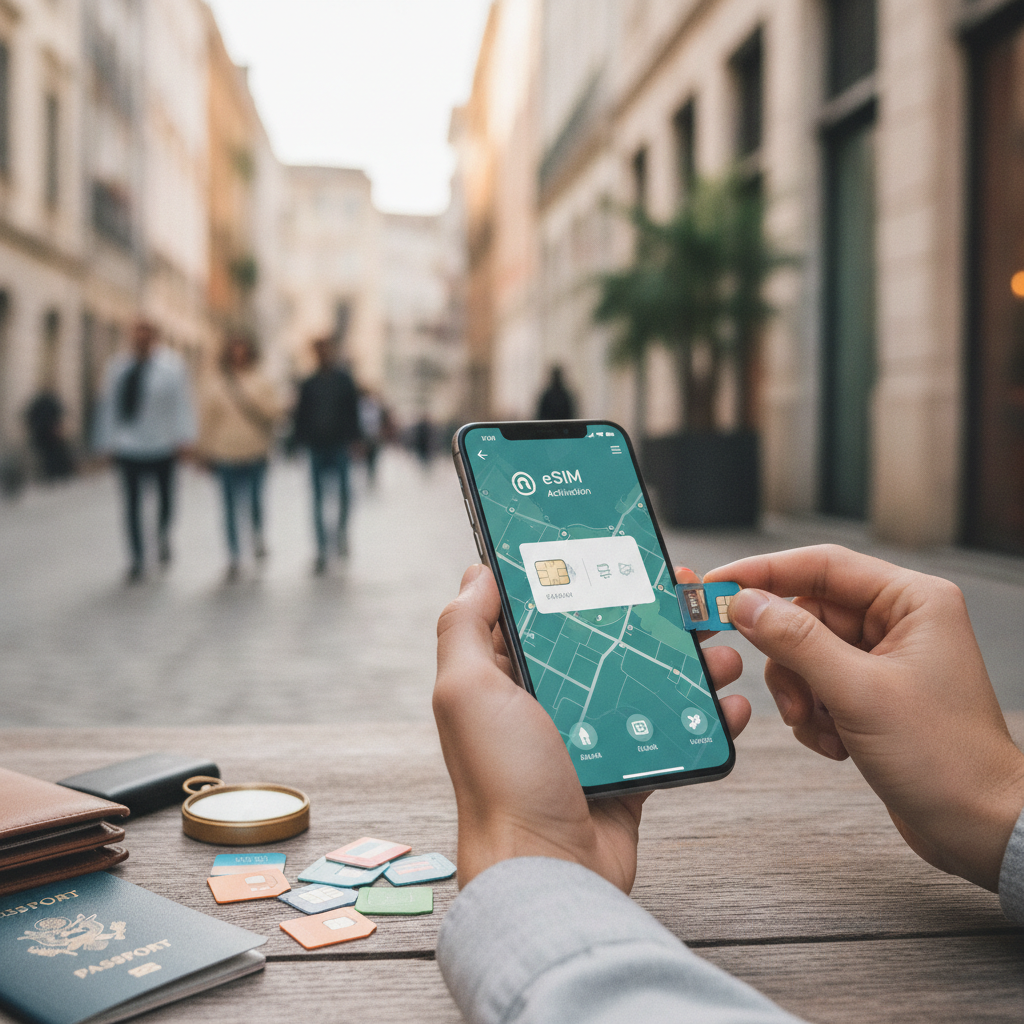
Roaming charges have a way of turning an otherwise well-planned trip into a financial headache. You land in a new country, your phone automatically connects to a local carrier, and by the time you've checked a map and sent a few photos, you've racked up charges that would make your jaw drop. The good news is that avoiding this entirely is not only possible — it's pretty straightforward once you know what to look for.
Unlock Your Phone Before You Leave Home
Before anything else, check whether your phone is carrier-locked. A locked phone can only connect to networks approved by your home carrier, which means it won't accept a foreign SIM card even if you buy one. Contact your carrier at least a week before departure and request an unlock — most will do it for free once your contract obligations are met. iPhones and most modern Android devices unlock easily, and once yours is free, you have full flexibility to use any SIM or eSIM abroad.
Understand the Difference Between Physical SIMs and eSIMs
A physical SIM card is the small chip you swap into your phone, while an eSIM is a digital version built directly into your device. Both accomplish the same thing — connecting you to a local network at local rates — but eSIMs have a clear convenience edge on longer trips. You can purchase and activate an eSIM before you board your flight, so you're connected the moment you land. Many newer iPhones, Google Pixel phones, and Samsung Galaxy models support eSIM technology, making this a practical option for most travelers in 2026.
Research Local Carriers at Your Destination
Not all local SIM cards are equal, and carrier quality varies a lot by country. In Thailand, for example, AIS and DTAC both offer reliable prepaid tourist plans with solid data allowances. In Europe, Lebara operates across multiple countries and is a popular pick for budget travelers. Spending twenty minutes reading travel forums or checking coverage maps before your trip can save you from buying a SIM that barely works outside the capital city. Look for plans that specifically cater to tourists — they're often better value than standard prepaid options.
Compare eSIM Providers for Multi-Country Trips
If you're hopping between several countries, a global eSIM provider often makes more sense than buying a new physical SIM in every destination. Airalo is one of the most well-known platforms for this — you browse plans by country or region, purchase directly from the app, and activate within minutes. Holafly is another solid option, particularly for travelers who want unlimited data plans. Prices vary by region, but a week of data across Europe or Southeast Asia typically costs a fraction of what your home carrier would charge for international roaming on the same trip.
Buy Local SIMs at Airports or Convenience Stores
If you prefer a physical SIM, airports are usually the easiest place to grab one on arrival — though they're often priced slightly higher than what you'd find in the city. For a better deal, wait until you reach a convenience store or a carrier shop in town. In Japan, convenience chains like FamilyMart carry prepaid tourist SIMs at straightforward prices. In most European cities, carrier storefronts are easy to find and staff are generally used to helping foreign visitors. Either way, bring your passport — many countries require ID to register a SIM card.
Set Up Wi-Fi Calling as a Backup
Local SIMs and eSIMs handle data beautifully, but if you still need to make or receive calls on your home number, Wi-Fi calling is worth enabling before you leave. Most major carriers support it, and once it's active, your phone routes calls through Wi-Fi or data rather than a cellular network. This means friends and family can still reach you on your regular number without either of you paying international rates. Pair this with a messaging app like WhatsApp for day-to-day communication and you've covered virtually every scenario without touching your home carrier's roaming plan.
Keep Your Home SIM Active Without Paying Roaming Fees
Here's a practical trick many travelers miss: you don't have to fully abandon your home SIM while abroad. Pop it out and store it safely, or if your phone supports dual SIM, keep it in but turn off data roaming entirely in your settings. This way, your home number stays reachable for important calls or two-factor authentication texts when connected to Wi-Fi, without any surprise roaming charges accumulating in the background. It's a small setting change that prevents a very common and frustrating mistake.
Top Up Data Plans Before You Run Out
Running out of data in the middle of nowhere is its own kind of stress. Most prepaid SIM plans and eSIM providers let you top up through an app or website, so you don't need to track down a store. Airalo, for instance, lets you add data directly from your phone in seconds. Keep an eye on your usage during the first day or two of a trip — it's a good way to gauge whether your current plan will last or whether you need to add more. Setting a data usage alert in your phone's settings takes about thirty seconds and can prevent a lot of frustration.
Plan Your Data Needs Before Buying Any Plan
The biggest mistake travelers make is buying a plan without thinking through how they'll actually use data. Light users who mainly check maps and send messages can get by on a small plan. Heavy users who stream video or work remotely need something more substantial. Think about the length of your trip, how many hours per day you'll genuinely be on your phone, and whether you'll have reliable Wi-Fi at accommodations. That mental checklist takes two minutes and means you're not paying for data you won't use — or worse, running short halfway through a three-week trip.
Switching to a local SIM or eSIM on your next long trip is one of the simplest money-saving moves you can make as a traveler. The setup takes less time than most people expect, and the savings compared to standard roaming rates are genuinely significant. Start by checking whether your phone is unlocked, browse a few eSIM options on Airalo, and you'll be well ahead of the game before you even pack your bag.
More Trending Articles
How Supermarket Deli Counter Pricing Compares to Pre-Packaged Equivalents and Which Categories Consistently Offer Better Value When You Buy by Weight
Jennifer Walsh
10/27/2026