What Outlet Mall Shopping Actually Gets You: A Realistic Guide to Separating Genuine Discounts from Manufactured Markdowns
Jennifer Walsh
07/11/2026
5 min read
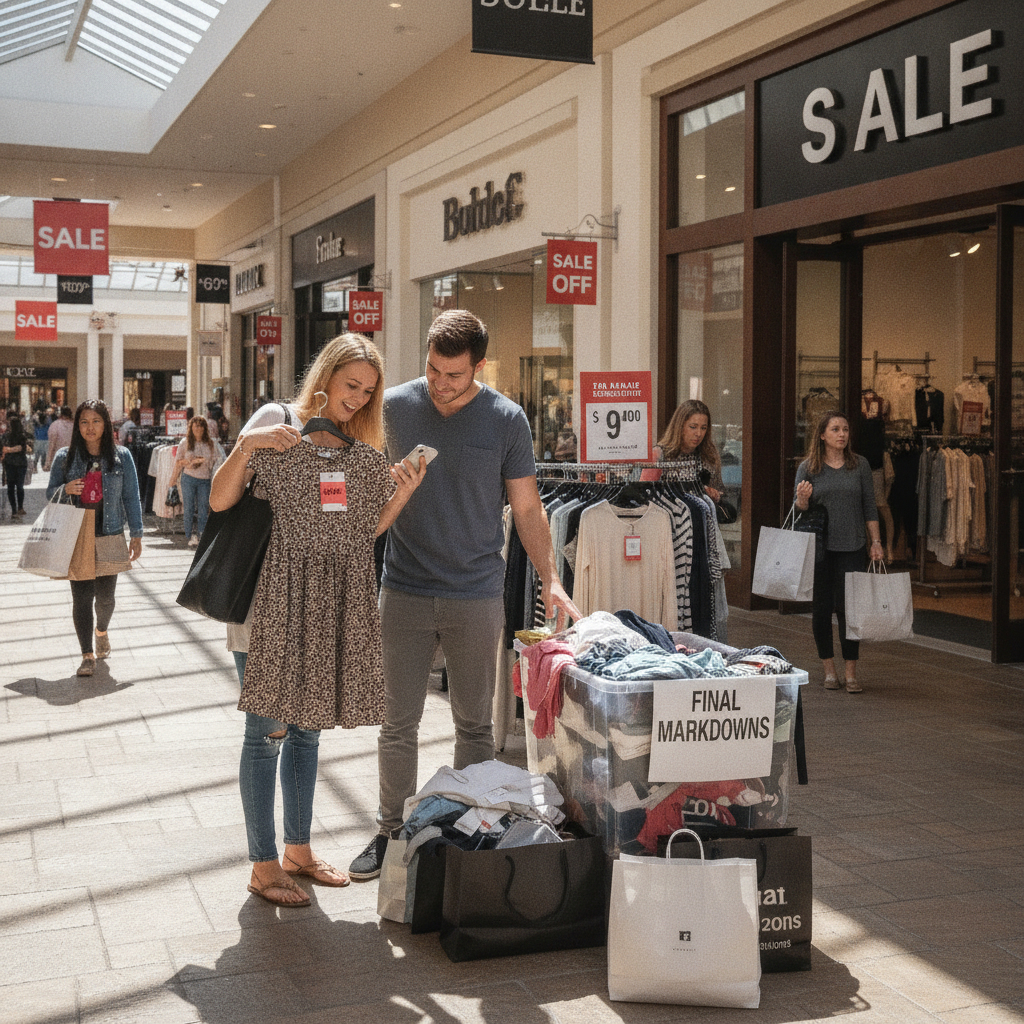
Outlet shopping carries a particular mythology — the idea that somewhere between the highway exit and the food court, you'll find the same cashmere sweater that retails for a small fortune, hanging quietly on a rack for a fraction of the price, waiting just for you. It's a compelling story. It's also, more often than not, only partially true. Understanding what actually happens inside these sprawling retail complexes doesn't ruin the experience — it makes you a far sharper shopper when you go.
How Did Outlet Shopping Evolve Into What It Is Today?
The original outlet store concept was genuinely straightforward: manufacturers and retailers sold surplus inventory, returned merchandise, and production overruns directly to consumers, bypassing traditional retail channels. Places like Woodbury Common Premium Outlets in New York and the Wrentham Village Premium Outlets in Massachusetts grew from this honest premise. Over time, however, the model shifted significantly. As outlet shopping became a cultural destination — complete with tourism infrastructure, bus tours, and dedicated travel guides — brands recognized an opportunity. Rather than simply clearing excess stock, many began producing items specifically for their outlet locations. These are commonly called outlet-exclusive merchandise, goods manufactured to a lower specification and sold under the same brand name, with the implicit suggestion that you're getting a deal on something from the main collection. You're often not.
This practice isn't hidden, exactly, but it's rarely advertised. Brands like Coach, Kate Spade, and J.Crew have all been associated with this approach at various points, though the degree varies widely by label and product category. The distinction matters because the psychological experience of finding a $400 handbag marked down to $140 feels very different from buying a bag that was always intended to sell at $140. Both might be perfectly good bags, but only one represents a genuine discount.
What Does a Real Discount Look Like in an Outlet Context?
Genuine markdowns do exist in outlet environments, and knowing how to spot them changes everything. True clearance items — pieces that appeared in a brand's primary retail line and are now being sold through at reduced prices — tend to arrive at outlets seasonally, often carrying small imperfections, last season's styles, or simply an overabundance of unpopular sizes. The tags on these items sometimes carry original retail codes or style numbers that can be cross-referenced online, which is a useful habit to develop. Retailers like Nordstrom Rack and Saks Off 5th operate on a slightly different model, pulling directly from department store inventory, which means the discounts there tend to skew more authentic than at standalone brand-operated outlets.
The category where outlets genuinely deliver, fairly consistently, is home goods and kitchenware. Brands like Le Creuset and All-Clad maintain outlet locations where discontinued colors, cosmetic seconds, and genuine overstock appear regularly at meaningful price reductions. In these categories, the outlet model still largely resembles its original purpose, and the savings are real enough to warrant a special trip.
Why the Shopping Experience Itself Is Designed to Work Against You
Outlet malls are engineered environments — a fact worth sitting with before you arrive. The sprawling layouts, the sense of abundance, the sheer physical effort of walking the complex all serve a purpose: they create a context in which spending feels like progress. In retail psychology, this is sometimes called the treasure hunt effect, the cognitive satisfaction of feeling you've discovered something rather than simply purchased it. Outdoor outlet centers like the Desert Hills Premium Outlets near Palm Springs are particularly adept at creating this atmosphere, combining pleasant surroundings with the sense of a curated find.
Pricing architecture plays its own role. Reference prices — the original retail figures listed alongside the current sale price — are among the most powerful tools in retail persuasion. When a sweater is marked from $195 down to $79, the $195 anchors your perception of value regardless of whether that garment ever actually sold at that price in a traditional store. Being aware of this mechanism doesn't eliminate its influence entirely, but it does allow for a more deliberate response: the relevant question shifts from "how much am I saving?" to "is $79 a fair price for this specific item?"
How Should You Actually Approach an Outlet Trip?
Approaching outlet shopping as a deliberate, list-driven exercise rather than an open-ended browsing adventure changes the outcome substantially. Before you go, research the brands you're interested in and understand what their outlet lines typically look like compared to their main collections. Apps like ShopSavvy or Google Lens can help you cross-reference product codes and compare prices in real time, turning your phone into a quiet fact-checker against the markdown theater around you. Focus your energy on the categories and brands where the outlet model still delivers honest value — athletic wear, cookware, certain footwear brands — rather than assuming every rack represents a genuine deal.
If you're traveling specifically to visit an outlet mall, build the trip around the experience itself rather than the savings. The outing becomes more honest when it's treated as a form of leisure with a shopping component, rather than a mission to recover value from the retail economy. You may find genuine discounts, and you may find well-made outlet-exclusive pieces at fair prices — both outcomes are reasonable. What rarely happens is the full mythology: the pristine luxury item at a fraction of its true retail worth.
The appeal of outlet shopping has always rested on the promise of access — the sense that quality usually priced out of reach is suddenly within it. That promise still holds, occasionally and in specific contexts, but it requires a clear-eyed approach to honor it. The shopper who arrives with realistic expectations, a focused list, and a working understanding of how outlet pricing is constructed leaves with something more valuable than a bag full of markdowns: the confidence that what they bought was actually worth buying. That's the real bargain the outlet experience can offer, when you know where to look for it.
More Trending Articles
How Supermarket Deli Counter Pricing Compares to Pre-Packaged Equivalents and Which Categories Consistently Offer Better Value When You Buy by Weight
Jennifer Walsh
10/27/2026