How to Use Shoulder Season Timing to Get Business-Class Upgrades at Economy Prices
Sarah Mitchell
06/28/2026
5 min read
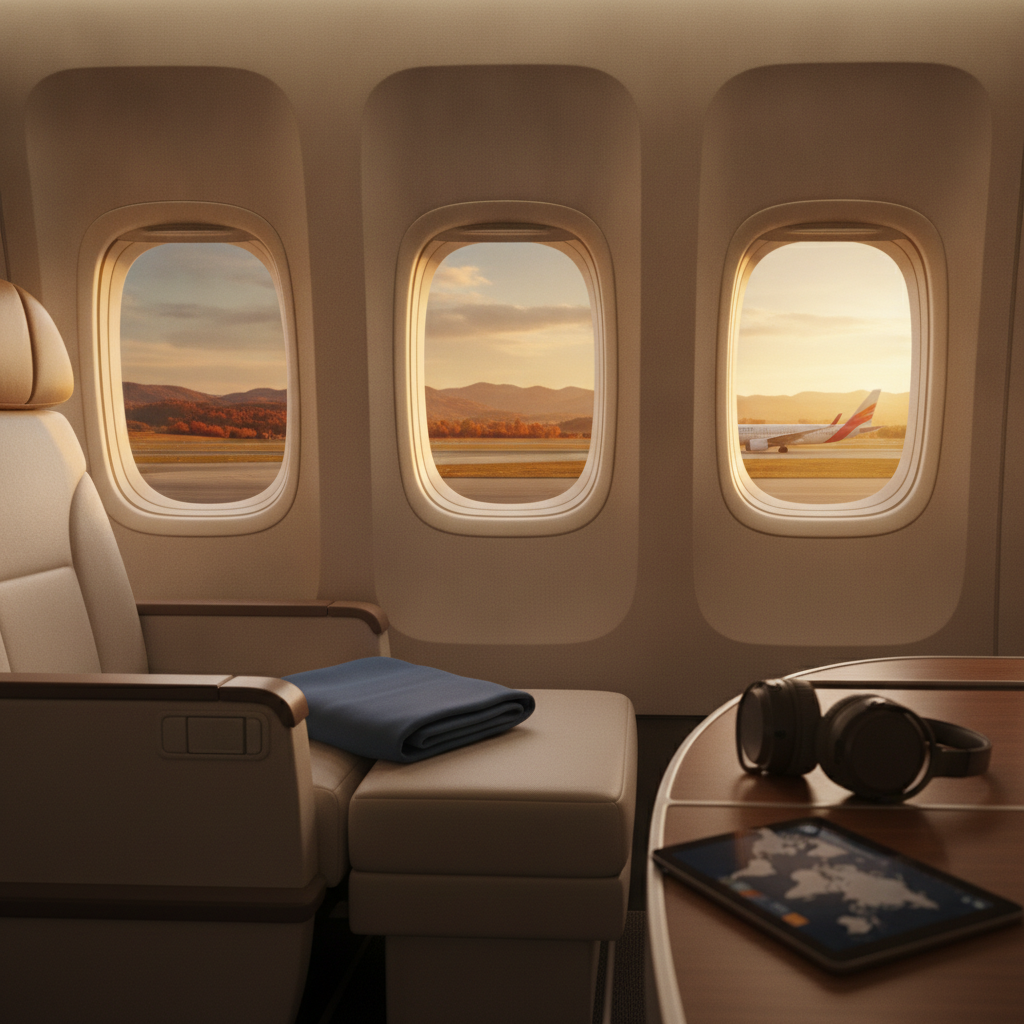
Business class feels like a different world — wider seats, real meals, and enough legroom to actually sleep. The catch is that most people assume it's permanently out of reach unless a company is footing the bill. That assumption is worth questioning, because timing your travel around shoulder seasons can put premium cabin upgrades within reach of a modest travel budget. Airlines manage inventory dynamically, and the windows when upgrade pricing drops tend to cluster around the same predictable patterns year after year.
Book Flights During the Sweet Spot Weeks
Shoulder season generally falls in the weeks just before or after peak travel demand — think late April through late May for Europe, or early September through mid-October. During these windows, airlines are actively trying to fill premium cabin seats that didn't sell at full fare. Booking during these periods doesn't just lower base ticket prices; it dramatically increases the odds that a paid upgrade or a points-based business class fare will be available. Many travelers overlook this completely, chasing deals on economy without realizing the upgrade gap has narrowed significantly.
Use Fare Tracking Tools Before You Commit
Google Flights and Hopper both allow you to monitor fare trends over time, and that historical data matters more than a single snapshot price. Set up alerts for your target route and watch how business class fares move relative to economy over four to six weeks. In shoulder season, the spread between economy and business often compresses because demand for premium seats softens while economy seats fill with budget travelers. When you see that gap narrow to a number that feels reasonable, that's the moment to act — not later.
Target Routes Where Competition Drives Upgrade Pricing Down
Not every route behaves the same way. Transatlantic corridors between cities like New York, London, and Amsterdam tend to see aggressive upgrade pricing during shoulder weeks because multiple carriers are competing for the same passengers. Routes where a single carrier dominates face less pricing pressure, so the upgrade discount is less dramatic. Spending a few minutes comparing pricing across competing airlines on the same corridor can reveal when one carrier has dropped its business class pricing significantly to stay competitive. That's often a signal worth acting on quickly.
Ask About Upgrade Availability at Check-In
Airlines still offer last-minute upgrade options at the gate or during online check-in, and shoulder season is when those offers tend to appear more frequently. With fewer high-status frequent flyers competing for the same seats, the upgrade pricing window opens up for regular travelers. When checking in online 24 hours before departure, look for a paid upgrade prompt — these are often algorithmically priced and can reflect unsold inventory the airline wants to move before the door closes. The same check applies at the airport gate agent desk, particularly on early morning or off-peak departure times.
Stack a Travel Credit Card With Your Timing Strategy
Credit cards like the Chase Sapphire Reserve or the American Express Platinum offer travel credits, airport lounge access, and points that transfer to airline partners. Using those points for a business class redemption during shoulder season is more efficient than during peak travel, because award seat availability is typically better when the cabin isn't already full of paying premium passengers. Transferring points to a partner airline and booking a Saver-level award gets dramatically easier in shoulder windows. The strategy compounds — lower award redemption costs, better availability, and fewer competitors for the same seats.
Pay Attention to Midweek Departure Patterns
Tuesday and Wednesday departures consistently show softer demand for business class compared to Monday or Friday, when corporate travelers dominate premium cabins. During shoulder season, combining a midweek departure with off-peak timing can result in noticeably lower upgrade pricing or better award availability. This isn't about gaming the system — it's about recognizing that airlines are pricing seats based on real demand signals, and traveling when demand dips means you benefit from the slack. Adjusting a trip by one or two days in either direction is a small change with potentially meaningful cost differences.
Explore Positioning Flights to Open Up Options
Sometimes the upgrade you want isn't available on a direct route but is accessible by flying into a larger hub first. A short positioning flight from a regional airport into a major international hub — say, flying into Heathrow or Frankfurt before connecting onward — can open up a business class segment that wasn't available point-to-point. During shoulder season, this tactic becomes especially useful because carriers often discount the premium cabin on long-haul segments more than on shorter regional hops. The total price, including the positioning leg, can still come in below a peak-season economy fare on a direct route.
Watch for Airline Flash Sales on Premium Cabins
Airlines including Lufthansa, Air France, and Singapore Airlines periodically run flash sales on business class that are specifically designed to move shoulder season inventory. These sales don't always get the same press coverage as economy deals, but signing up for email alerts directly from airlines you prefer puts these promotions in your inbox the moment they go live. The lead time on these sales can be surprisingly short — sometimes less than two weeks to departure — so having flexibility in your travel plans increases how often you can take advantage of them. For travelers without rigid schedules, this is one of the highest-leverage moves available.
The way airlines price premium cabins continues to evolve, with more dynamic and real-time systems replacing older fixed fare structures. That means the windows for accessible upgrade pricing may become shorter and harder to predict using historical patterns alone. Staying informed, using fare alert tools consistently, and building genuine flexibility into travel plans will matter more as these systems grow more sophisticated. The travelers who pay attention to timing and treat shoulder season as a strategic asset — rather than a consolation prize — are the ones most likely to find themselves in a flat bed seat at a price that still makes sense.
More Trending Articles
How Supermarket Deli Counter Pricing Compares to Pre-Packaged Equivalents and Which Categories Consistently Offer Better Value When You Buy by Weight
Jennifer Walsh
10/27/2026