How to Use Slow Travel Pacing in Central America to Dramatically Cut Weekly Accommodation and Transport Costs
Sarah Mitchell
07/22/2026
5 min read
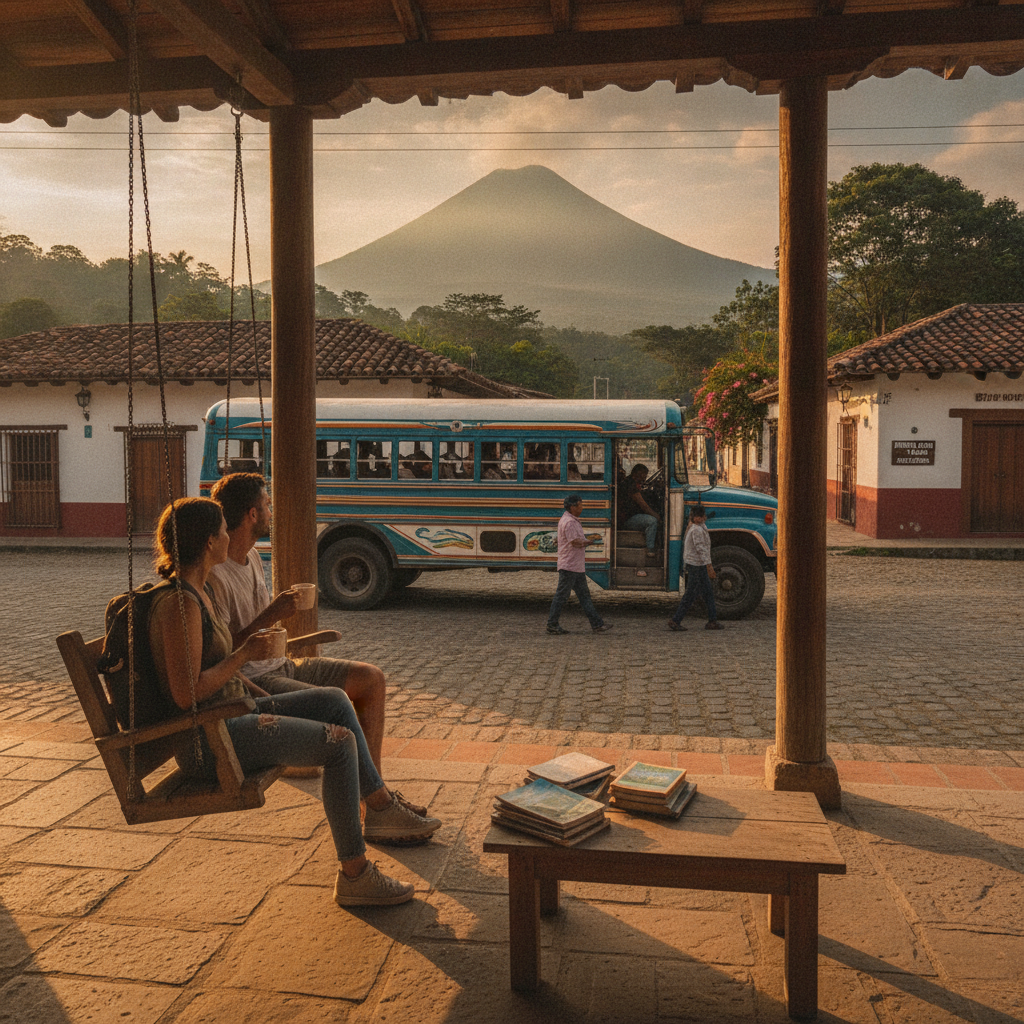
Rushing through a region is one of the most expensive habits a traveler can have. When you move fast — hopping between destinations every two or three days — you pay more for everything: last-minute buses, inflated walk-in room rates, and the hidden tax of constantly recalibrating to a new place. Central America rewards travelers who slow down, and the savings aren't marginal. They're structural.
The good news is that slowing your pace doesn't mean sacrificing experience. It means trading the highlight reel for something deeper — and cheaper. Here's how to make slow travel work financially across Guatemala, Belize, Costa Rica, and beyond.
Negotiate Weekly and Monthly Rates Instead of Nightly
Most guesthouses and budget hotels throughout Central America offer significantly reduced rates for stays of a week or longer — but they rarely advertise this upfront. The moment you walk in asking for one night, you're priced accordingly. When you arrive and mention you're thinking of staying seven to ten days, the conversation changes. In places like Antigua, Guatemala or the Caribbean coast of Nicaragua, landlords and hostel owners will often drop the per-night rate by a meaningful margin once they know they're dealing with a committed guest rather than a one-nighter. Always ask directly.
Use Second-Class Chicken Buses as Your Primary Transport
Chicken buses — repurposed American school buses that run local routes — are one of Central America's most underused budget tools for travelers. They're slower than shuttle vans, yes, but they cost a fraction of the price. A shuttle from Antigua to Lake Atitlán, for instance, might run several times the cost of the equivalent chicken bus route. When you're not racing a tight itinerary, that extra time in transit becomes just another part of the experience. Slow travel makes the slow transport make sense, and the cumulative savings across a multi-week trip are substantial.
Pick a Hub and Take Day Trips Instead of Relocating
Every time you change accommodation, you pay a logistical and financial tax: checkout, transit, luggage fees, the risk of paying walk-in rates, and the energy of settling into a new place. A smarter approach is to plant yourself in a well-positioned hub and radiate outward from there. San Cristóbal de las Casas in Mexico's Chiapas region, Flores in Guatemala, or La Fortuna in Costa Rica all function as excellent bases. You can explore a wide surrounding area on day trips while keeping your negotiated weekly rate locked in back at your guesthouse. Your average daily accommodation cost drops steadily the longer you stay.
Cook Some Meals Using Market Ingredients
Central American markets — mercados — are extraordinary for budget eating. They're also a good reason to book accommodation with even a basic kitchen or access to one. Buying fresh produce, tortillas, beans, and eggs from a local market and preparing a few meals per week doesn't require cooking skill; it requires a gas burner and about twenty minutes. The savings stack quickly when you're not eating every meal at a tourist-facing restaurant. Save those sit-down meals for evenings worth celebrating, and let the market carry the rest of your food budget.
Use Apps Like Rome2rio and Busbud to Compare Route Costs Before Committing
One of the easiest ways to overpay on transport in Central America is to book the first option a hostel receptionist suggests. Shuttle services are convenient, but they exist at a price premium. Before committing to any route, spend five minutes on Rome2rio or Busbud to see what local bus alternatives look like. You'll often find that a combination of a chicken bus and a short ferry — or a local colectivo and a regional coach — covers the same ground for significantly less. Slow travel gives you the flexibility to use these options because you're not locked into tight departure windows.
Stay in Neighborhoods Locals Actually Use
Tourist zones in Central American cities come with tourist-zone pricing, even when the underlying quality isn't better. The guesthouses two neighborhoods over from the main square in Granada, Nicaragua, or a few blocks off the main strip in Puerto Viejo, Costa Rica often offer better value and more authentic character. Apps like Booking.com and Hostelworld let you filter by map location — use them to scout properties slightly off the beaten path. The savings on nightly rates in these areas compound significantly over a two-week stay, and you end up with a more grounded experience of the place.
Overlap Your Arrivals With Local Events to Get More Without Spending More
Slow travel puts you in a position to time your stays around things that are already happening — local festivals, market days, free outdoor concerts, community events. These aren't tourist attractions; they're just life in the region, and they happen regularly. Semana Santa in Antigua, the weekly indigo market in El Valle de Ángeles in Honduras, or a weekend marimba festival in a Guatemalan highland town — none of these cost an entrance fee, but all of them offer experiences that traveler rushing through on a five-day itinerary would never catch. Value isn't just financial, and slow travel lets you capture the free kind.
Build in Buffer Days to Avoid Last-Minute Pricing
Panic spending is real. When travelers have no flexibility in their schedule, they pay whatever it costs to get from point A to point B on the day they need to. Buffer days — even just one or two per week built deliberately into your itinerary — eliminate that pressure entirely. They also give you the ability to wait for a lower-cost transport option, extend a cheap weekly stay by a few extra days, or simply rest without the guilt of a packed schedule. The best slow travelers treat buffer days as a financial tool as much as a recovery tool.
Central America is already one of the most affordable long-stay destinations accessible from North America, and as remote work continues to shape how people travel, the infrastructure for slow travelers — co-working spaces, longer-stay apartment rentals, community-based tourism — keeps improving. The travelers who benefit most from that shift are the ones who've already built the habit of staying longer, spending intentionally, and letting the pace of the region work in their favor rather than fighting it.
More Trending Articles
How Supermarket Deli Counter Pricing Compares to Pre-Packaged Equivalents and Which Categories Consistently Offer Better Value When You Buy by Weight
Jennifer Walsh
10/27/2026