How Winter Travel to Shoulder-Season Sun Destinations Compares in Cost and Experience to Peak Summer Bookings
Sarah Mitchell
07/13/2026
5 min read
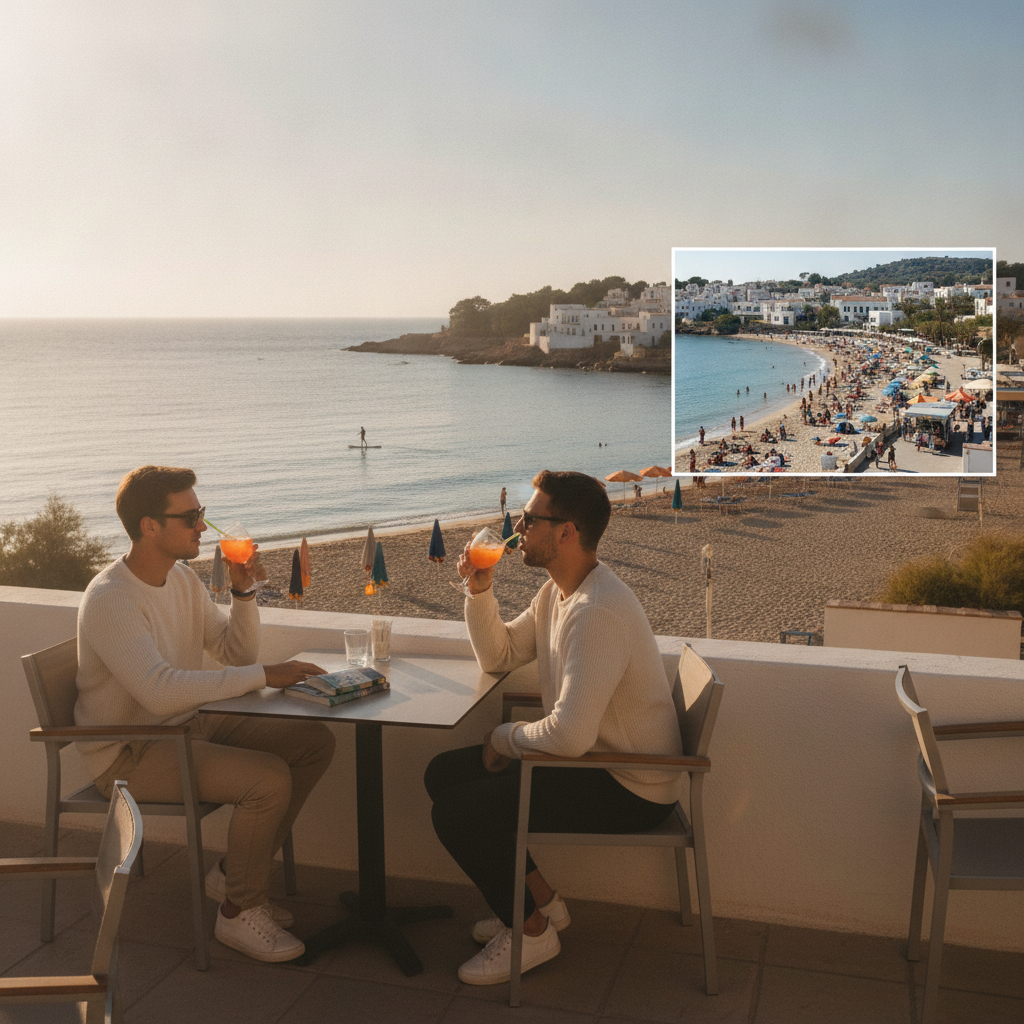
Traveling to warm, sun-drenched destinations during winter months has quietly become one of the smarter moves in modern trip planning. While the crowd logic has long favored chasing summer heat during summer months, a growing number of travelers are discovering that the math — and the experience — often tips decisively in favor of off-peak arrivals. From the Algarve coast of Portugal to the Yucatán Peninsula and the Greek islands, sun destinations in their shoulder or low season offer a version of the same landscape that's less crowded, more affordable, and in some ways more authentic.
What Does "Shoulder Season" Actually Mean for Sun Destinations?
The term shoulder season describes the periods just outside a destination's peak demand window — typically the weeks or months when visitor numbers drop but conditions remain broadly appealing. For Mediterranean destinations, this often spans October through April. For Caribbean islands, it tends to fall between late April and mid-December, outside the winter escape rush. The distinction matters because shoulder season in sun destinations isn't necessarily cold or rainy — it's simply quieter. Travelers who plan around these windows often find that the weather remains warm enough for beaches, sightseeing, and outdoor dining, while the logistical and financial friction of peak travel largely disappears.
How Much Does Timing Actually Affect What You Pay?
The cost difference between peak and shoulder season bookings can be significant across every category of travel spending. Flights to Lisbon, Cancún, or Santorini during January or February routinely cost a fraction of their July counterparts, and hotels that charge premium rates in summer frequently offer reduced rack rates or last-minute deals when occupancy drops. Vacation rental platforms like Vrbo often reflect these fluctuations prominently, with weekly rates for comparable properties sometimes differing by hundreds of dollars between peak and off-peak periods. Tour operators and local excursion providers also tend to offer lower rates or smaller group sizes during quieter months, which compounds the savings without requiring any additional effort on the traveler's part.
Where the Experience Shifts — and Where It Doesn't
The experiential trade-offs of winter travel to warm destinations are more nuanced than the pricing gap alone suggests. In most sun destinations, the shoulder season doesn't eliminate the appeal — it just reshapes it. The Algarve in February still offers spectacular sea cliffs and mild afternoons, but without the summer gridlock on coastal roads or hour-long waits at popular seafood restaurants. The Yucatán in November retains its warmth and cenote clarity while shedding the dense tourist congestion around Chichén Itzá and Tulum. Some amenities do thin out — beach clubs may operate on reduced hours, certain seasonal restaurants close, and ferry schedules to smaller Greek islands contract considerably. For travelers who plan around these minor limitations, the payoff in access and pace can be well worth the adjustment.
Which Tools Help You Find and Lock In the Best Timing?
Platforms built around fare tracking and flexible date searching make shoulder season planning considerably easier than it once was. Google Flights remains one of the most useful tools for visualizing how ticket prices shift across an entire month, letting you spot the softer-demand windows at a glance without committing to a fixed date. Hopper analyzes historical pricing trends and advises on whether to book now or wait, which is particularly useful for travelers targeting specific shoulder-season windows that may see brief demand spikes around local holidays. For accommodations, Booking.com's flexible date filters allow side-by-side price comparisons across a multi-week window, making it straightforward to confirm that the week you've chosen is genuinely lower-cost and not accidentally aligned with a regional festival or school holiday. Combining these tools creates a planning approach that's both data-informed and time-efficient.
What the Crowds — or Lack of Them — Really Mean on the Ground
One of the less quantifiable but deeply felt advantages of off-peak travel is the quality of attention and access it tends to produce. Museums in Seville that require timed entry reservations booked weeks in advance during summer can often be walked into spontaneously in January. Restaurant owners in quieter coastal towns have more time for conversation; tour guides lead smaller groups; hotel staff are less stretched. This shift in the texture of daily travel experience is difficult to capture in a comparison spreadsheet but consistently noted by experienced travelers who've made the same trip in both seasons. The trade is real: you may sacrifice the guaranteed beach energy of peak summer for a slower, more connected experience that often feels closer to how people actually live in those places.
How to Plan Practically Without Overcomplicating It
The logistics of a successful winter shoulder-season trip require slightly more forward planning than a peak booking, primarily around verifying what's actually open and what transportation runs on reduced schedules. Checking local tourism board websites for the destination — Turismo de Portugal or Visit Greece, for example — gives reliable calendar information about closures, seasonal ferry routes, and regional events that might affect accommodation availability. Skyscanner's multi-city and flexible month search functions are particularly useful for travelers open to adjusting their outbound date by a few days to capture a meaningful fare drop. Booking accommodations that offer free cancellation adds a useful buffer, since shoulder-season pricing often continues to soften closer to the departure date, creating potential for a rebook at a better rate if conditions allow.
As more travelers become comfortable with flexible planning and data-driven booking tools, the logic of chasing peak summer heat at peak summer prices is likely to weaken further. Destinations themselves are beginning to recognize the value of promoting their off-season appeal — not just for visitor experience, but to distribute the environmental and economic pressures of overtourism across a broader calendar. The travelers who move first on this shift tend to come back with better photos, smaller bills, and a clearer sense of what a place is actually like. That combination is hard to argue with, and the tools to make it happen are already in your pocket.
More Trending Articles
How Supermarket Deli Counter Pricing Compares to Pre-Packaged Equivalents and Which Categories Consistently Offer Better Value When You Buy by Weight
Jennifer Walsh
10/27/2026